Sketchy Dudes Wear Breitling

“Sketchy dudes wear Breitling” is not a joke, a slur, or a marketing slogan that escaped into the wild. It’s an observation from the field. The kind that gets passed quietly, without attribution, by people who make a living noticing patterns before they become problems.
In certain professional ecosystems, such as clandestine intelligence gathering, special operations, private military contracting, and aviation, what you wear, carry, or display becomes part of your signature. They are always visible. They are always telling a story.
Breitling earned its reputation the hard way. Not through influencer campaigns or lifestyle positioning, but by being repeatedly present on the wrists of people operating in morally, legally, or geographically ambiguous spaces. Over time, the pattern became impossible to ignore.
The phrase stuck because it described something real: a convergence of function, ego, access, and exposure. In tradecraft terms, Breitling wasn’t just a watch. It was a tell.
Origin: Where the Reputation Came From
In the 1990s and early 2000s, Breitling sat in a lane few brands occupied. Under the Schneider family, the company leaned hard into the idea of watches as working tools.
That positioning lined up with real use. Breitlings showed up repeatedly on the wrists of private military contractors, intelligence personnel, arms brokers, mercenaries, and pilots working outside routine commercial environments. High-profile examples only reinforced it, from Erik Prince to Viktor Bout to George Tenet, alongside film characters modeled on the same type of operator.
From a tradecraft standpoint, this mattered. Watches are among the few personal items that remain consistent across roles. They’re visible in meetings, transit, and downtime. Breitling’s large cases and recognizable designs made them easy to spot. Over time, that visibility turned into association.
Within these circles, “sketchy” wasn’t shorthand for criminal. It meant operating near limits, legal, political, or institutional, where oversight was thin, and consequences were uneven. The saying grew out of two realities that overlapped.
First, the watches worked. Models like the Aerospace and Emergency offered practical functions that were genuinely useful: multiple time zones, timers, alarms, and, in the case of the Emergency, an actual distress beacon.
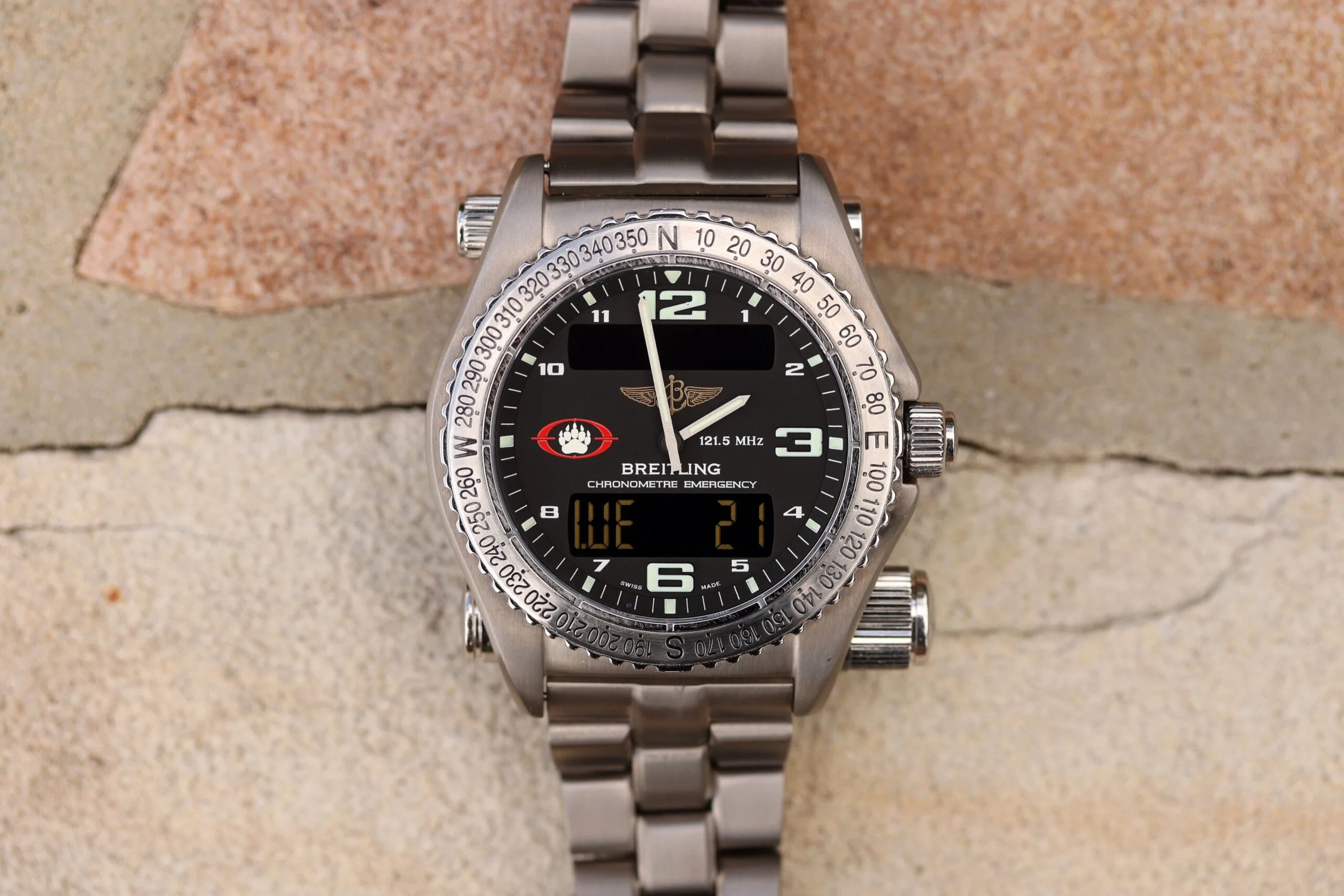
Breitling Emergency watch (Blackwater edition)
Second, the watches became markers. Wearing a Breitling suggested access and experience, or at least proximity to people who had both. Over time, enough of the same watches showed up on enough of the same kinds of wrists that the reputation formed on its own.
From Tool Watch to Lifestyle Brand
Since 2017, Breitling has intentionally changed direction under Georges Kern. The watches are smaller. The designs are cleaner. The marketing is broader and far less aggressive. Breitling is no longer speaking primarily to pilots, operators, or contractors—it’s speaking to a global luxury audience.
From a business standpoint, the shift worked. The brand became easier to sell, easier to wear, and easier to explain. But something was lost along the way. As Breitling moved into the mainstream, the context that gave rise to the saying started to fade.
Seeing one on a wrist no longer suggests anything about where that person works or how they operate. Most of the time, it simply means they like the look.
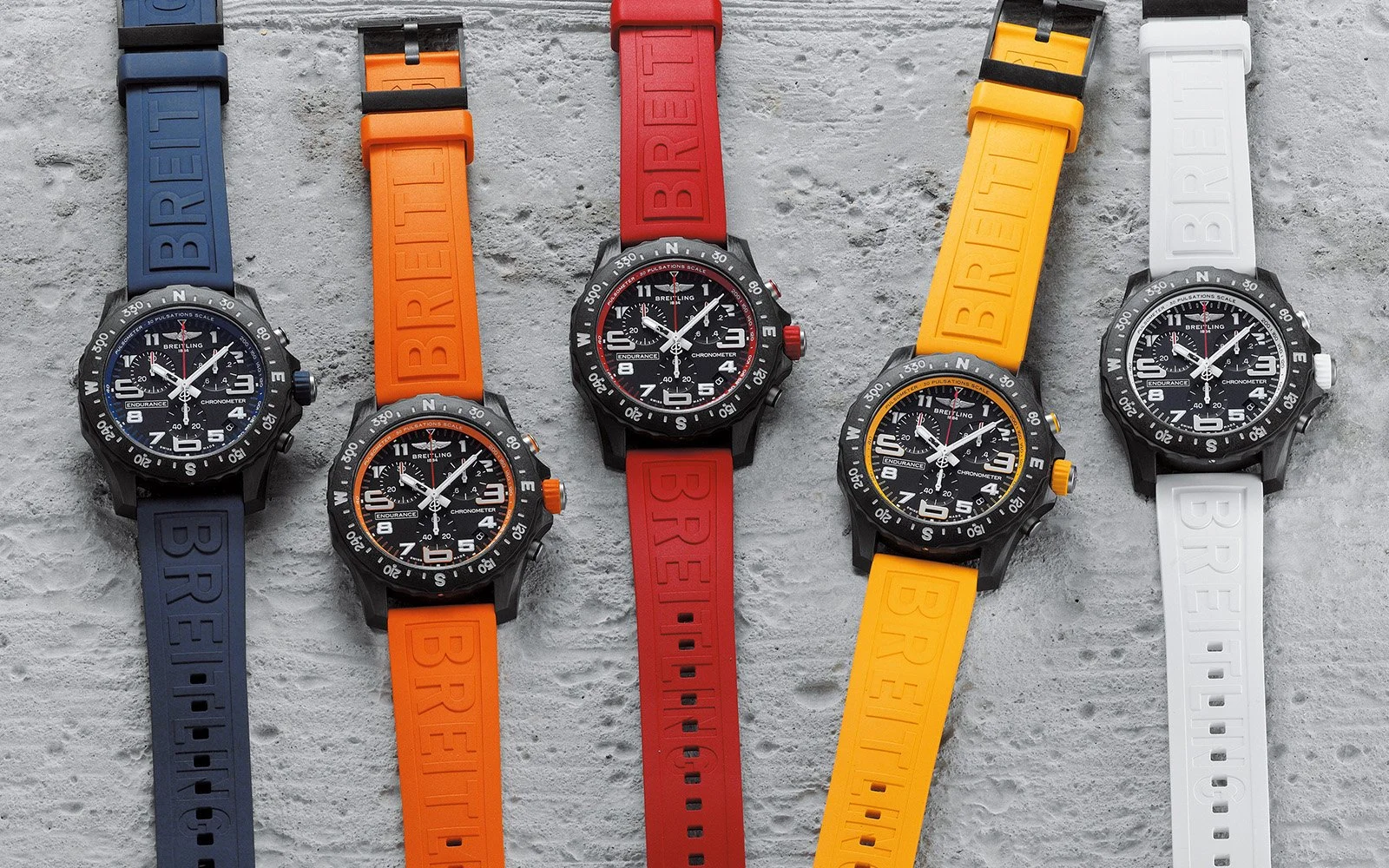
Breitling Endurance adventure watches
What hasn’t disappeared are the older references. Schneider-era watches, unit pieces, and long-discontinued models still circulate among the same circles that originally noticed the pattern. Those watches carry history in a way the newer ones don’t.
As a result, the phrase no longer accurately describes the brand as a whole. It applies to a specific time, a specific set of watches, and a specific group of people who remember what they were seeing back then.
What the Reputation Means to Buyers
Nobody buys a Breitling because they want to be labeled “sketchy.” But some buyers recognize the brand because they’ve seen it in places where labels don’t matter and explanations aren’t offered.
In clandestine and adjacent work, reputations spread through observation. You notice what keeps appearing. Who wears what. What survives deployments, rotations, and long stretches overseas. Over time, certain objects accumulate meaning simply by being present often enough in the same kinds of environments. Breitling is one of those brands.
For buyers with military, aviation, intelligence, or contracting backgrounds, that recognition is straightforward. Breitling points to a specific period when tool watches were purchased for availability and function, not for projecting an image. Wearing one didn’t mean you were elite, but it often meant you were operating somewhere uncomfortable, under loose oversight, or far from home. That context still matters to people who lived it.
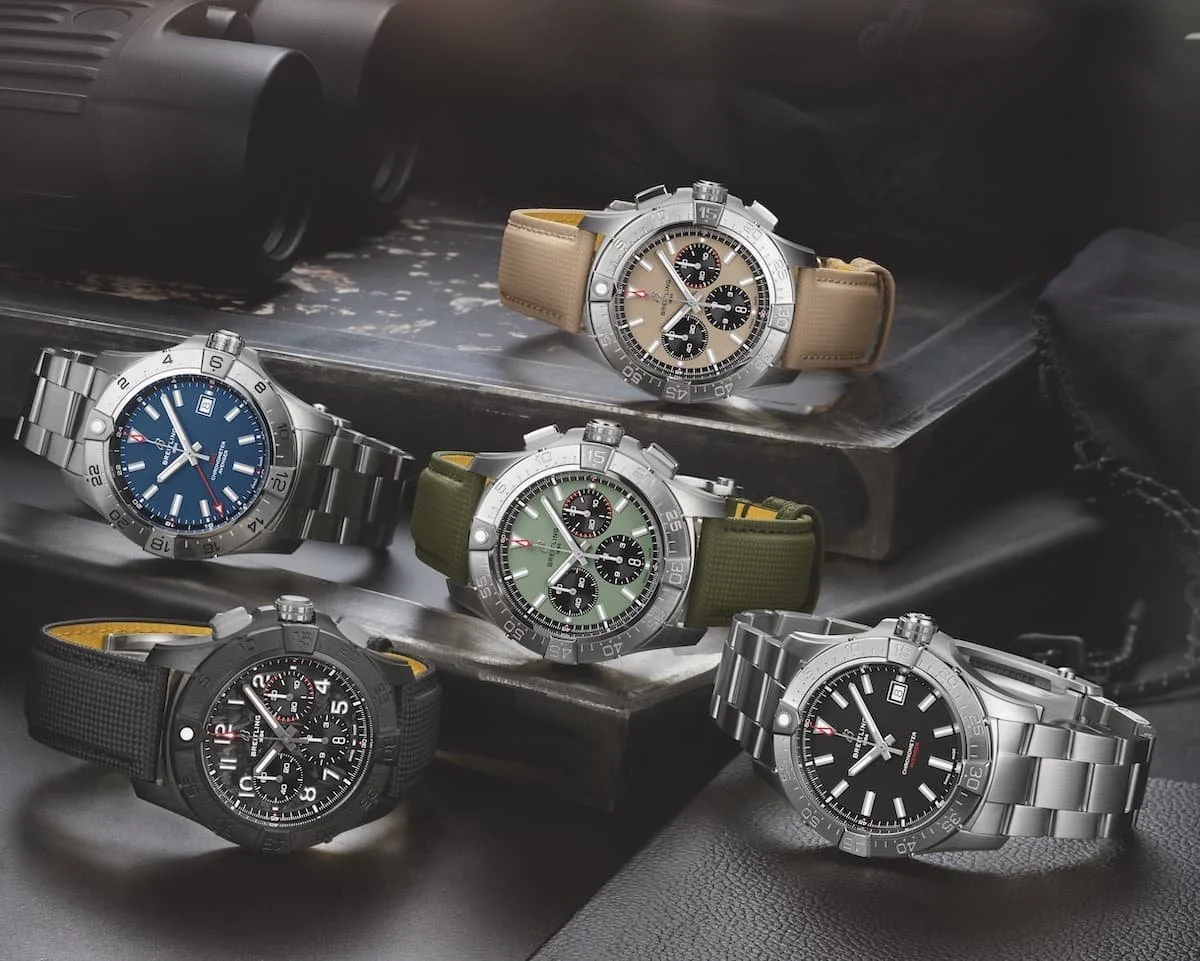
Breitling aviation watches
There is also a second category of buyer—those who didn’t operate in that world but understand it well enough to respect it. For them, Breitling offers a connection to that world, a shadowy, clandestine world few truly know and understand.
What keeps the saying relevant is that it wasn’t invented to sell anything. It emerged from repeated exposure and quiet pattern recognition. That gives it credibility among buyers who are naturally suspicious of gray area narratives.
In discreet professions, objects outlast roles. Watches, vehicles, gear—these things retain associations long after policies and branding change. Breitling still carries some of that association. For a small but consistent segment of buyers, that quiet residue is exactly what makes the watch worth owning.
Brand Assessment
Reputations built in clandestine and adjacent work don’t reset when a brand changes direction. They persist because they were formed through repeated exposure.
Breitling today is more controlled as a business. The designs are refined, the marketing is broad, and the brand fits comfortably into the modern luxury landscape.
But its earlier reputation hasn’t disappeared because it was based on real use. The watches were worn in environments where standing out carried consequences. The phrase endures because it captures something professionals still recognize: certain gear sends signals whether you intend it to or not.
That unresolved history continues to influence how the brand is perceived and bought. For some buyers, Breitling represents a time when watches were chosen for availability, function, and durability rather than brand alignment. For others, it’s a luxury product with an edge that hasn’t been fully polished away. Both angles drive demand.
In the end, “sketchy dudes wear Breitling” isn’t about condemning the brand or romanticizing its wearers. Objects acquire meaning based on who uses them and where they appear. Breitling has accumulated that meaning over decades. The brand may have moved on, but the association remains—and among people who pay attention to these things, it still carries weight.
